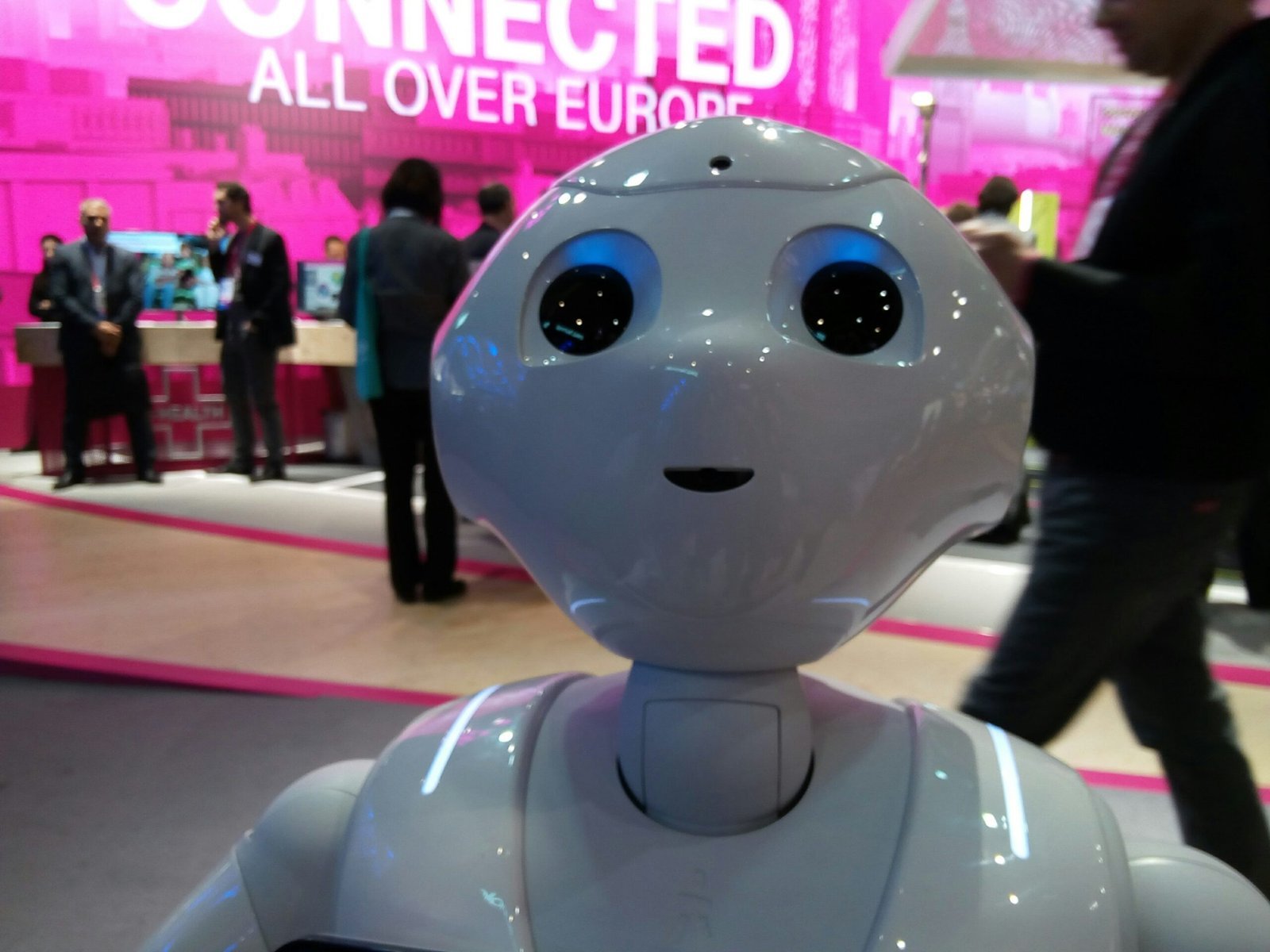
Introduction to AI in Corporate Event Planning
Artificial intelligence (AI) is rapidly transforming various industries, and corporate event planning is no exception. By leveraging advanced technologies, AI enhances event management processes, improving overall efficiency and effectiveness. Key AI concepts such as machine learning and data analytics play a vital role in this transformation, providing planners with tools that support data-driven decision-making and streamline planning activities.
Machine learning, a subset of AI, allows systems to learn from data inputs and improve over time. This capability is particularly useful in predicting trends and behaviors in attendee engagement, thereby enabling planners to tailor their strategies. Data analytics, on the other hand, involves the systematic analysis of data to derive actionable insights. Together, these technologies are revolutionizing how corporate events are conceptualized, planned, and executed.
The use of AI in corporate event planning offers significant benefits. For instance, virtual assistants equipped with AI capabilities can manage administrative tasks, such as scheduling meetings and sending reminders, which significantly saves time for event planners. Additionally, predictive analytics can gauge attendee interests based on historical data, allowing for personalized experiences. This relevance to event management transcends traditional approaches, as it provides dynamic solutions that enhance user experiences.
Moreover, AI enables planners to analyze vast amounts of data to gain insights into attendee preferences and behaviors. This information can be crucial for creating tailored marketing campaigns and ensuring that events resonate with participants. As a result, the integration of AI technologies equips corporate event planners with the ability to craft unique, engaging experiences that drive attendee satisfaction and loyalty.
AI Tools and Technologies in Event Planning
In recent years, the landscape of corporate event planning has changed significantly due to the integration of artificial intelligence (AI) tools and technologies. A prominent example is event management software that incorporates AI features, which has become indispensable for planners seeking to streamline their processes. These solutions offer automated email marketing functionalities, enhancing communication strategies and ensuring that key information reaches attendees efficiently. With features such as registration management, planners can handle large volumes of data with ease, allowing for a more organized approach to managing guest lists and ticketing.
An essential aspect of modern event preparation is attendee tracking, which AI-powered tools make possible. By analyzing attendee behavior both before and during events, organizations can pivot their strategies effectively to enhance engagement. For instance, tracking which sessions attract the most interest can inform future programming decisions, ultimately leading to better event experiences tailored to the audience.
Another groundbreaking development in event technology is the utilization of chatbots. These virtual assistants are increasingly employed for customer support and engagement during corporate events. They provide instant assistance to attendees, answering questions related to schedules, locations, and general inquiries. Not only do chatbots enhance guest interactions, but they also free up human resources, allowing staff to focus on more complex tasks that require a personal touch.
Furthermore, AI-enabled data analysis tools provide crucial insights that significantly improve planning and execution. By evaluating attendee feedback and behavioral data, planners can refine future events based on participant preferences and trends. Companies such as Eventbrite and Cvent are already leveraging these advanced tools to enhance the overall efficiency of their event management strategies. Such case studies demonstrate the impact of AI on event planning, illustrating how organizations can stay ahead in an increasingly competitive landscape.
Benefits of Utilizing AI in Corporate Events
The integration of Artificial Intelligence (AI) in corporate event planning presents numerous advantages that can significantly enhance the overall event experience. One of the primary benefits of AI is its ability to save time and reduce costs. By automating routine tasks such as scheduling, registration, and attendee communication, event planners can allocate resources more efficiently. This not only streamlines the planning process but also mitigates human error, ensuring a more organized event.
Moreover, AI enhances event personalization for attendees. Using data analytics, AI can tailor experiences by suggesting sessions, networking opportunities, or even personalizing content based on attendee preferences. This level of customization leads to higher engagement rates, making attendees feel valued and understood. Feedback from various corporate event organizers has indicated that personalized experiences, facilitated by AI, considerably increase participant satisfaction and loyalty.
Real-time data collection and analysis is another monumental advantage offered by AI. By leveraging advanced analytics tools, planners can gauge attendee sentiment and engagement during the event itself, allowing for adjustments mid-event to maximize the experience. Such responsiveness to attendee feedback not only enriches the event but also demonstrates an organization’s commitment to delivering quality experiences.
Additionally, AI-driven insights play a crucial role in improving overall event ROI. Predictive algorithms empower planners to make informed decisions based on past data trends, which can significantly elevate the planning of future events. Testimonials from corporate representatives highlight measurable improvements in engagement and cost-effectiveness attributed to these data-driven strategies. The ability to harness AI for impactful decision-making represents a substantial advancement in the realm of corporate event planning, positioning organizations to thrive in an increasingly competitive landscape.
Challenges and Future Directions of AI in Event Planning
As corporate event planners increasingly integrate artificial intelligence (AI) into their workflows, they encounter several challenges that can hinder its potential benefits. One major concern is data privacy. With the collection of vast amounts of personal information from attendees, ensuring compliance with data protection regulations such as GDPR is paramount. Event planners must navigate a landscape where attendees are increasingly aware of their data rights, requiring a delicate balance between personalization and privacy.
Additionally, technology adoption presents significant barriers. While AI offers innovative solutions, many organizations struggle with resistance to change. This reluctance may stem from a lack of understanding of AI tools and their potential advantages, as well as concerns regarding the reliability of the technology. Organizations must foster a culture that embraces technological advancements, which often involves extensive training and education about how AI can enhance the event planning experience.
The workforce itself is another challenge; there is a pressing need for skilled professionals who can proficiently operate AI tools. As AI technology evolves, the demand for a workforce that is both knowledgeable in event planning and adept at utilizing these advanced tools will become increasingly evident. This gap highlights the importance of educational programs and initiatives to equip event planners with the necessary skills to leverage AI effectively.
Looking to the future, several trends indicate potential enhancements in the role of AI in event planning. Innovations in virtual reality (VR) and augmented reality (AR) present opportunities for immersive experiences that could elevate engagement during events. Furthermore, advancements in machine learning algorithms tailored specifically to event management can refine data analysis and decision-making processes, allowing planners to create more personalized and impactful events. Embracing these technologies may significantly transform the landscape of corporate event planning in the years to come.